Sugar Technique
Sugar Technique
Measure temperature, arrange the work area, and understand what the tool reports.
Set up the pan and thermometer before heating, keep hands clear of hot syrup, and follow the recipe and tool instructions.
Get the recipe →Measure temperature, arrange the work area, and understand what the tool reports.
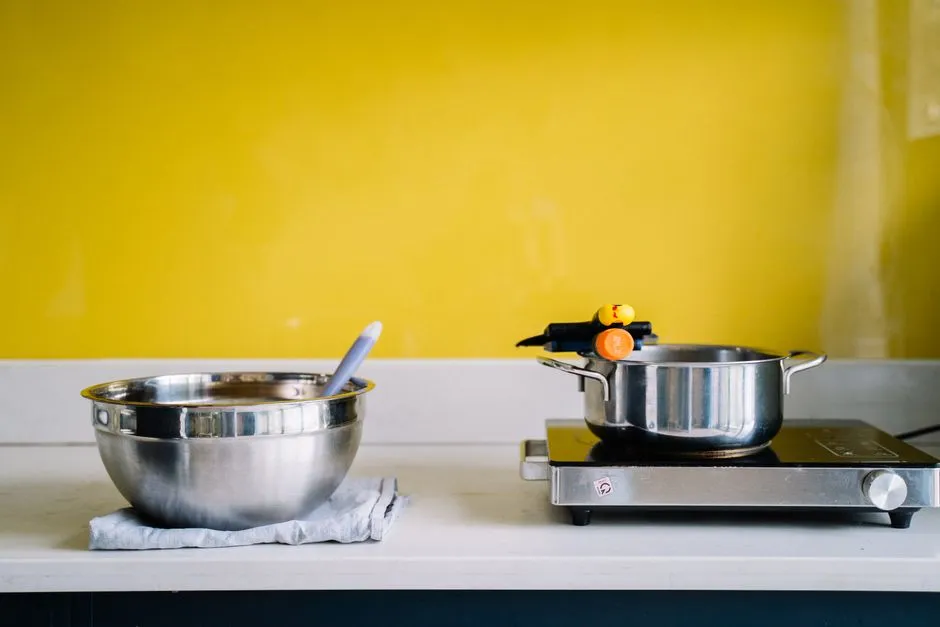
Check a candy thermometer in boiling water with its sensing area immersed but clear of the pan.
Troubleshoot caramel sauce by its cooled symptom: graininess points to unwanted sugar crystallization, an oily layer to separation, and thin or thick…
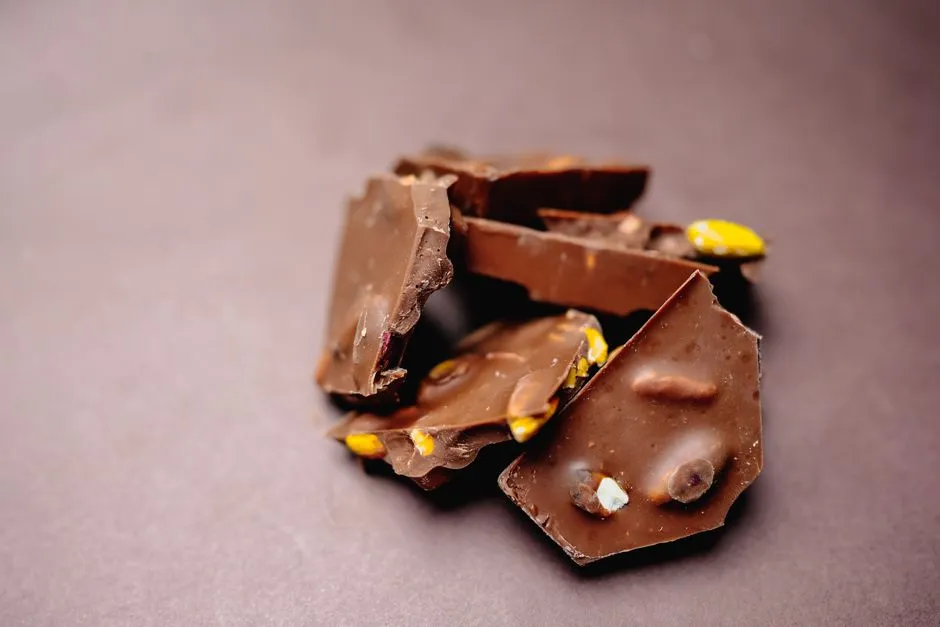
Seeding is usually the most manageable chocolate tempering method at home: melt part of the chocolate according to its maker's curve, add still-tempered…
Dark chocolate generally tolerates a little more heat than milk or white chocolate, which have lower melting points and scorch more readily.
Seized chocolate can often be smoothed with enough measured water-based liquid, but it becomes a sauce, icing, or filling rather than tempered coating…
Yes, fudge can be made without a candy thermometer when a tested recipe supplies a cold-water soft-ball test or uses a separate melt-and-chill method.
Sweet Workbench is an independent publication about candy-making technique and approachable homemade treats. It explains measurements, heat, texture, and allergen checks without fake product claims or pretending molten sugar is a casual craft supply.